1Where students are
 Academic Partnerships
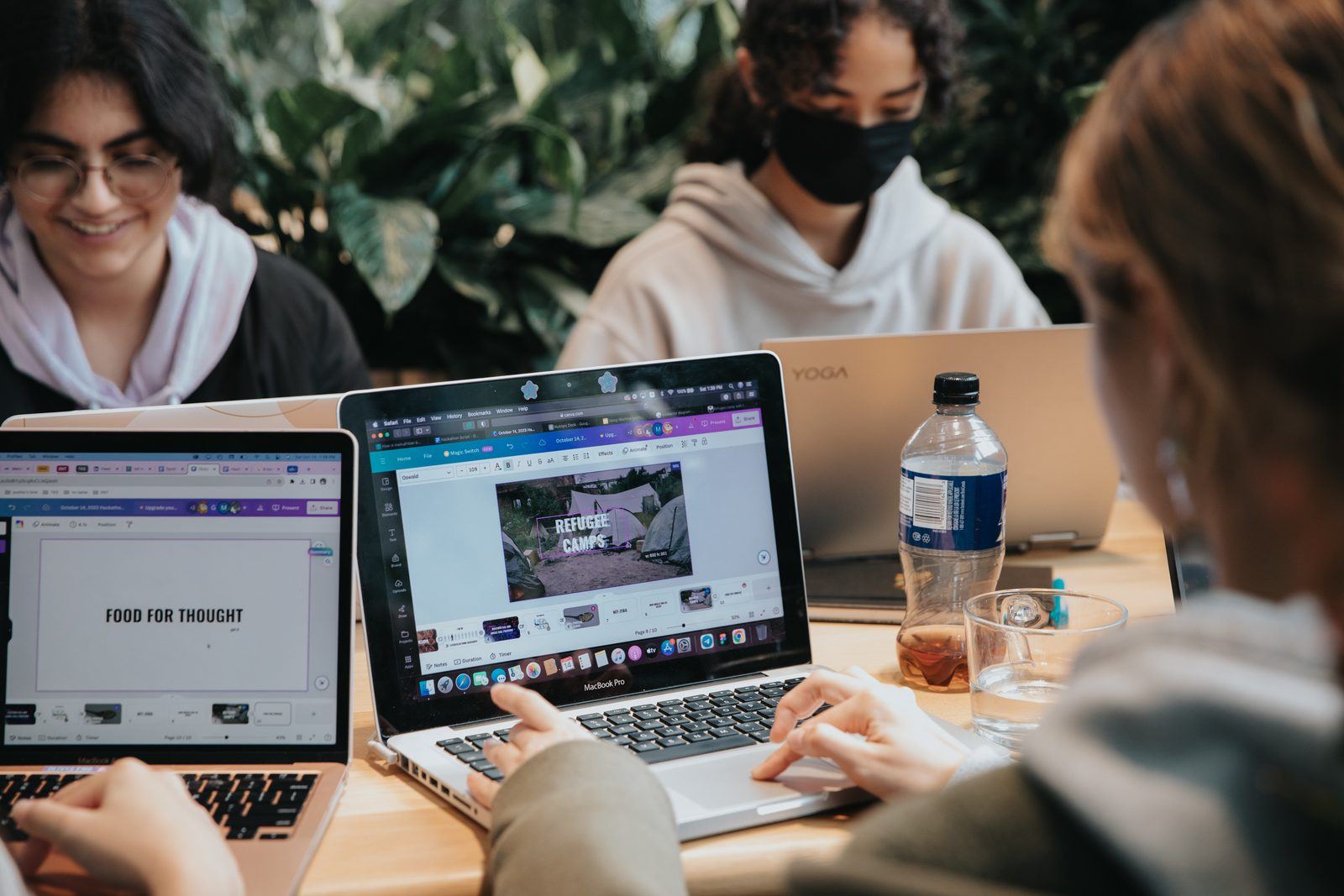
TKS is a 10-month program. Students explore emerging technology and science, build projects around what interests them, and get coaching and feedback along the way. We’re adapting parts of it into resources you can use with your students.
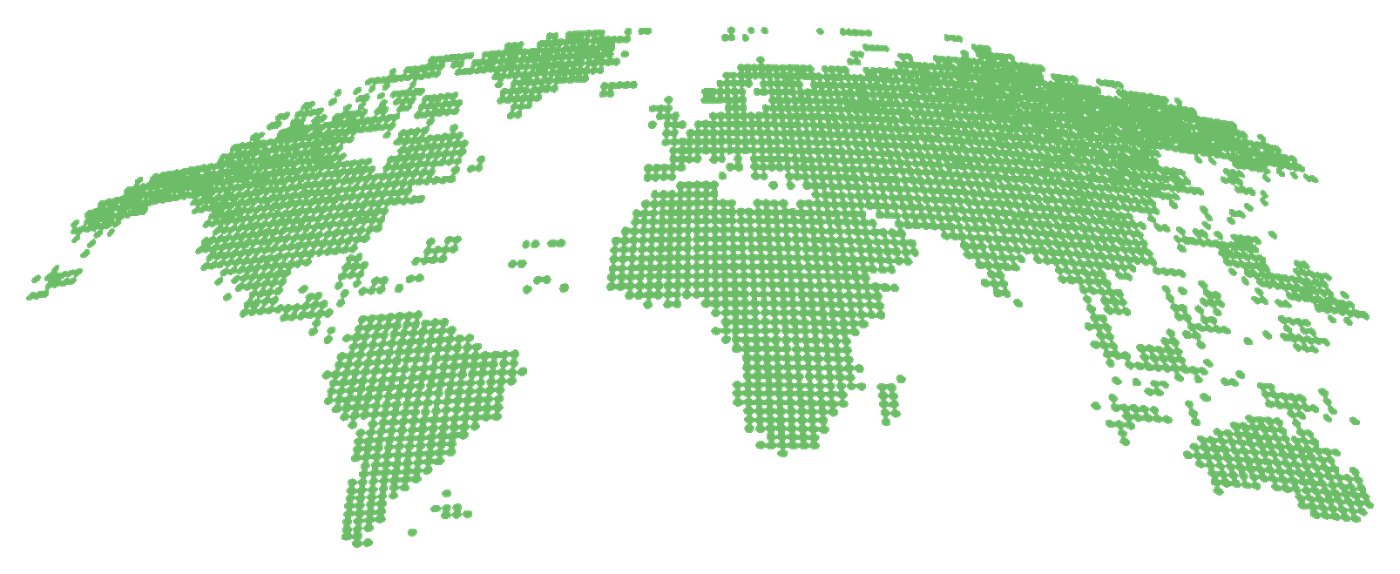
7,000+ alumni in 80+ countries · online anywhere, or in person in six cities
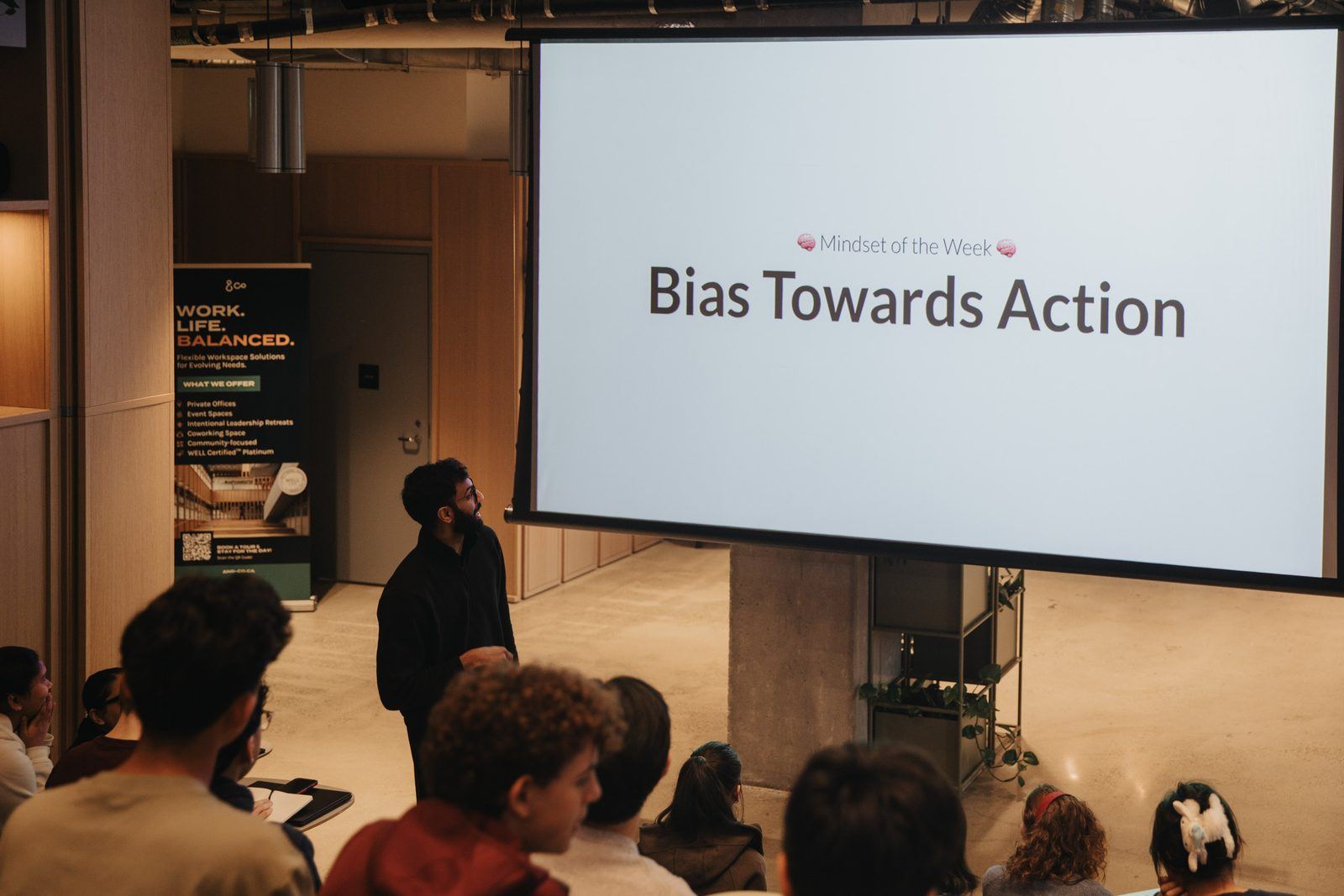
For example, think of a student who has an idea but keeps putting off the first step. At TKS, we practice a mindset called bias towards action: doing something small enough to try, then learning from what happens.
Your students don’t need to enroll in the full TKS program to benefit from school resources.
Explore school resources Bias towards action
Action allows you to get data points, whereas thoughts can be deceiving.
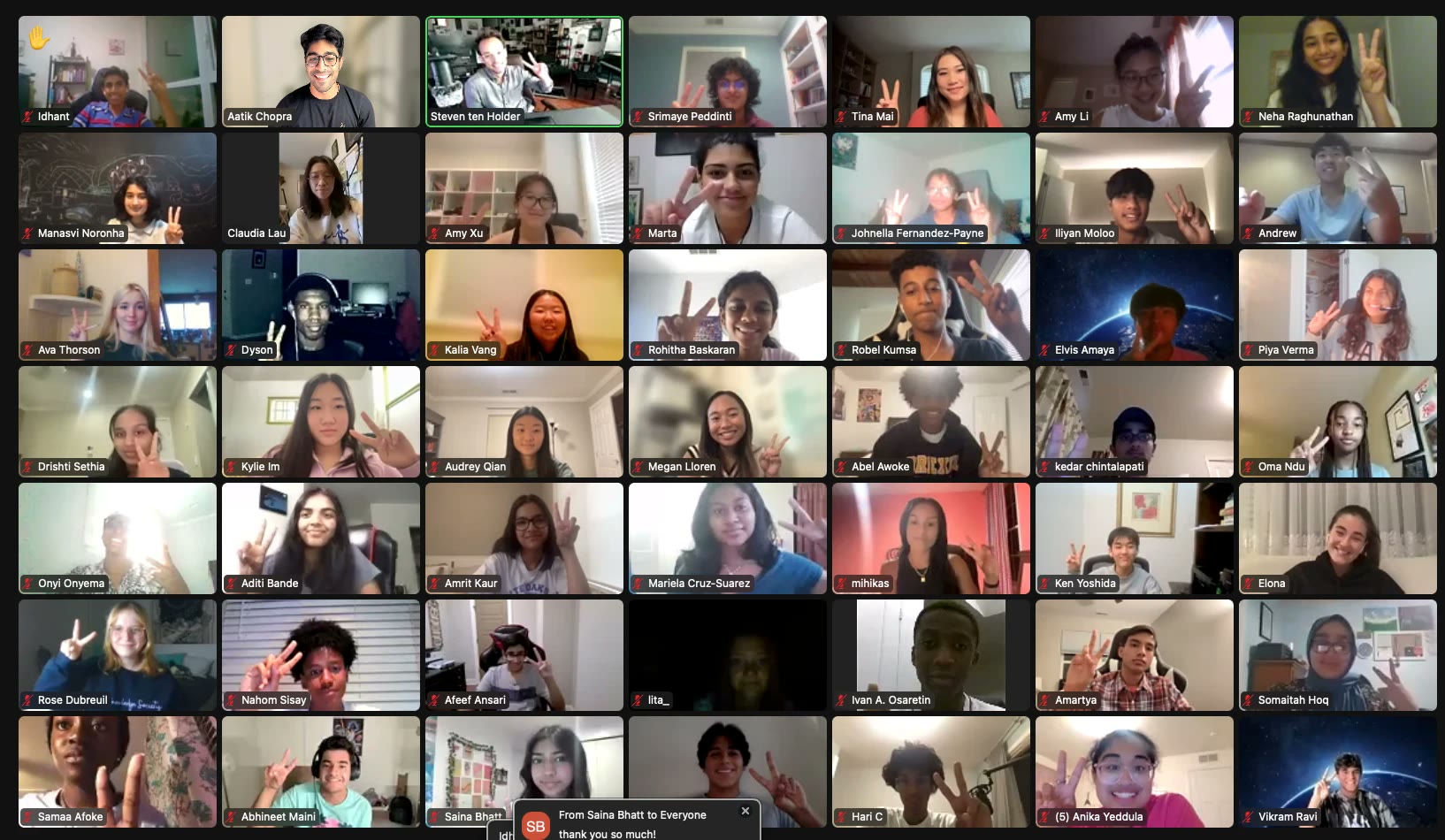
For 10 years, TKS has operated exclusively as an extracurricular program. We are now starting to work with schools to create programs and resources that support the existing priorities and initiatives inside of your building.
In person in six cities, or online from anywhere, from September to June.
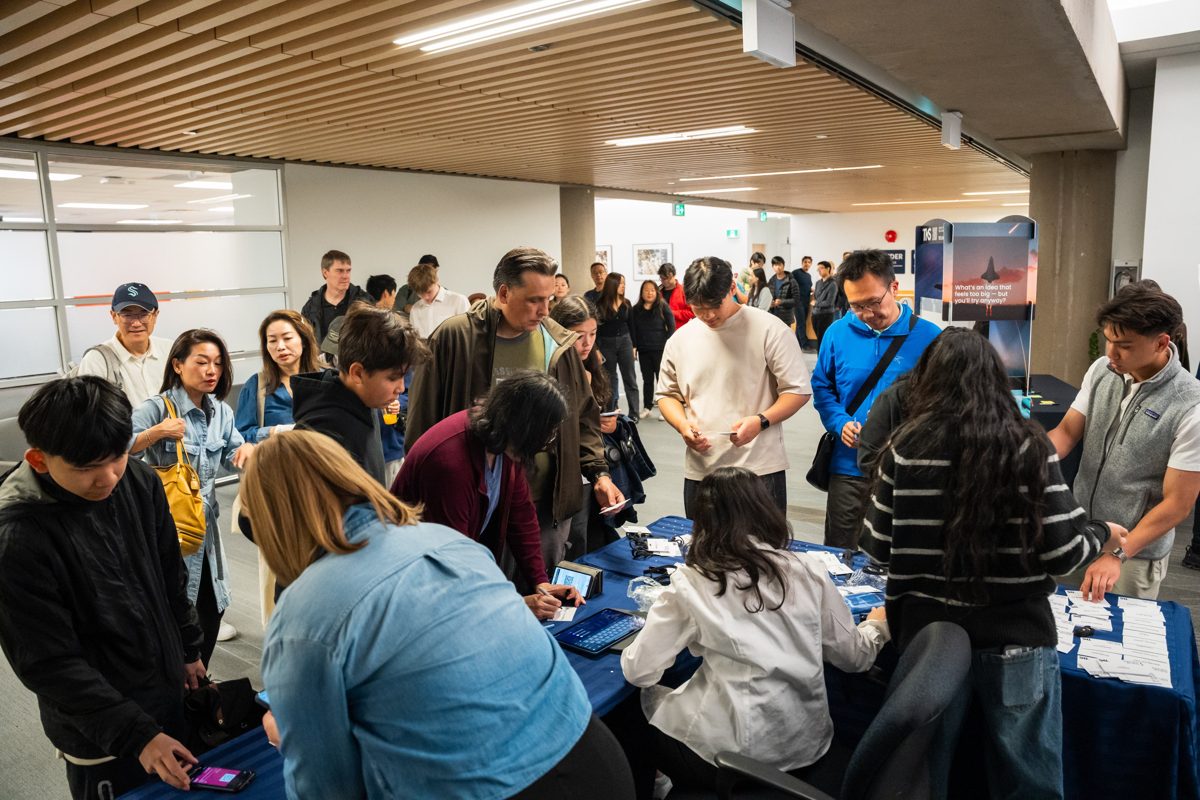
In person, in one of six cities.
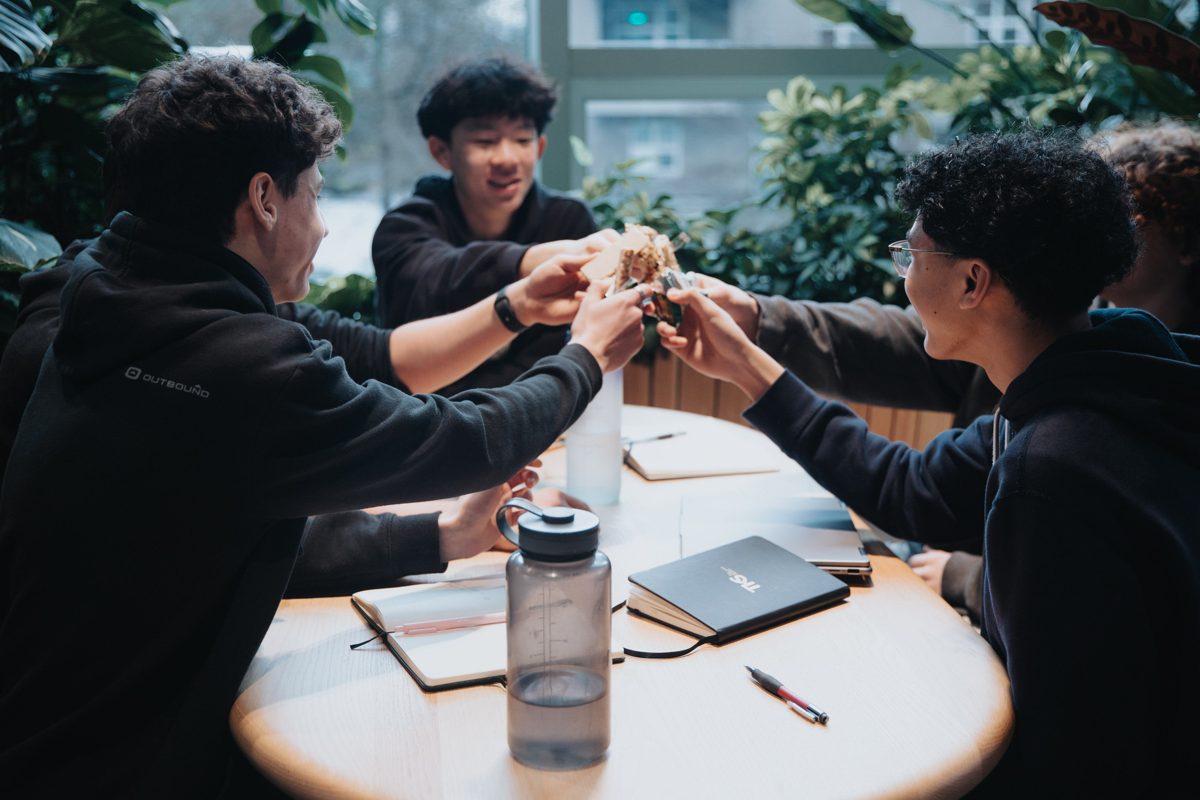
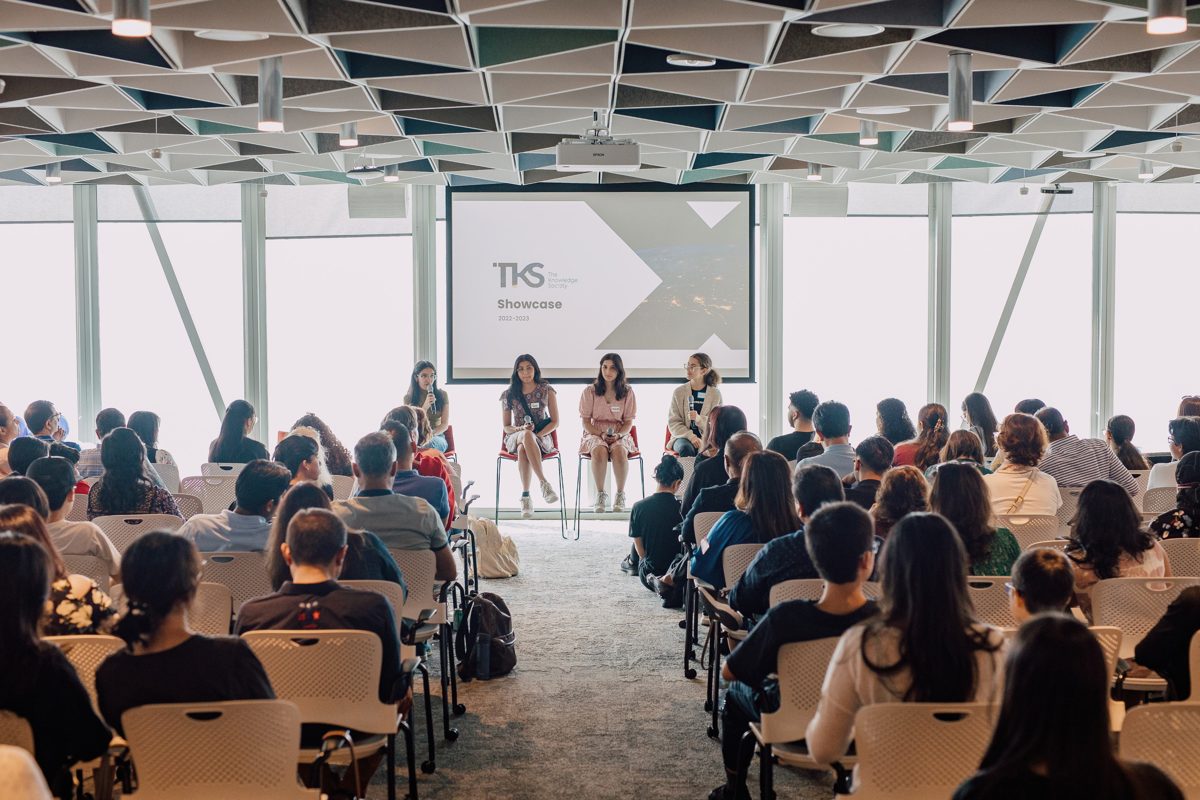
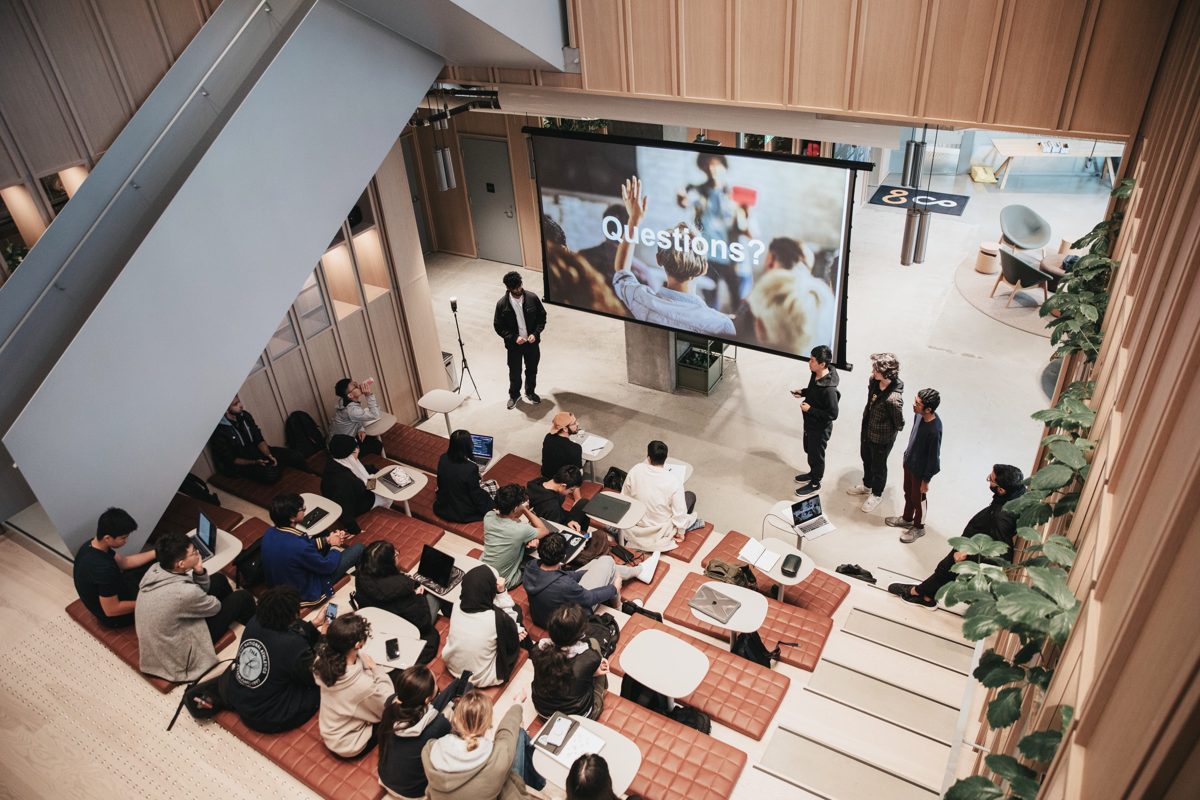
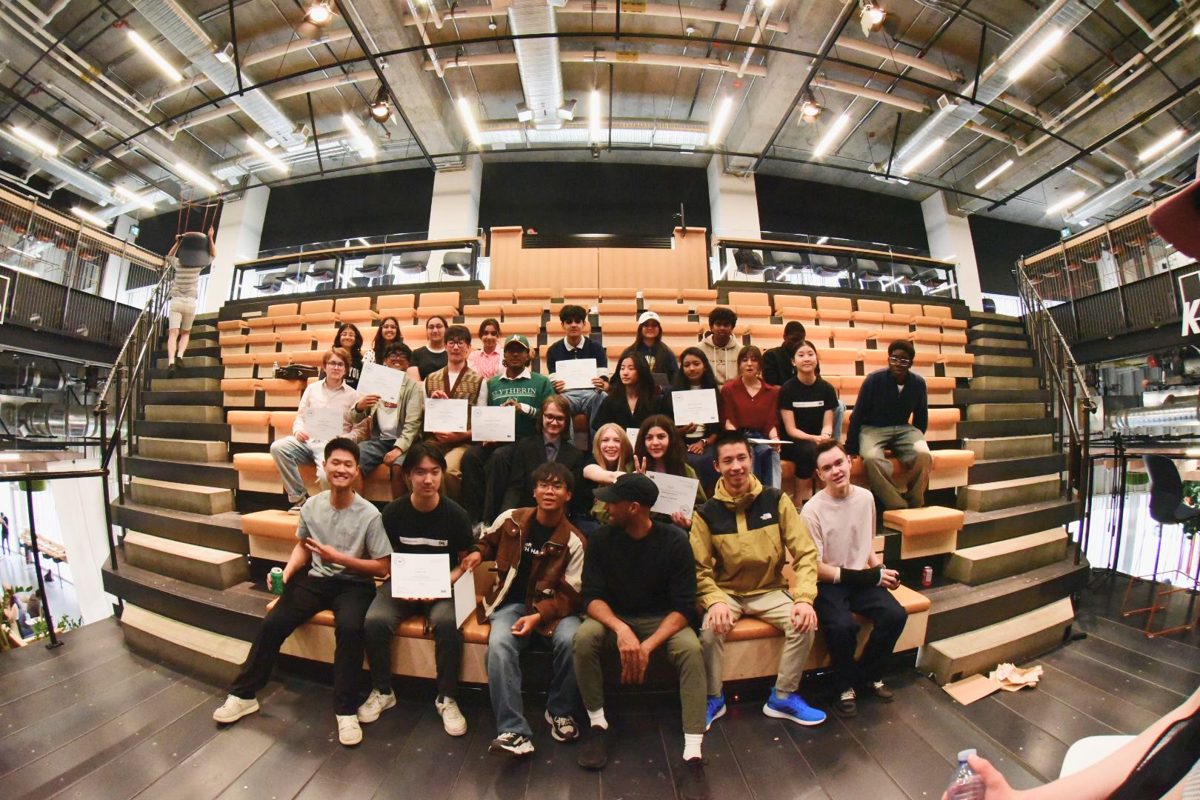
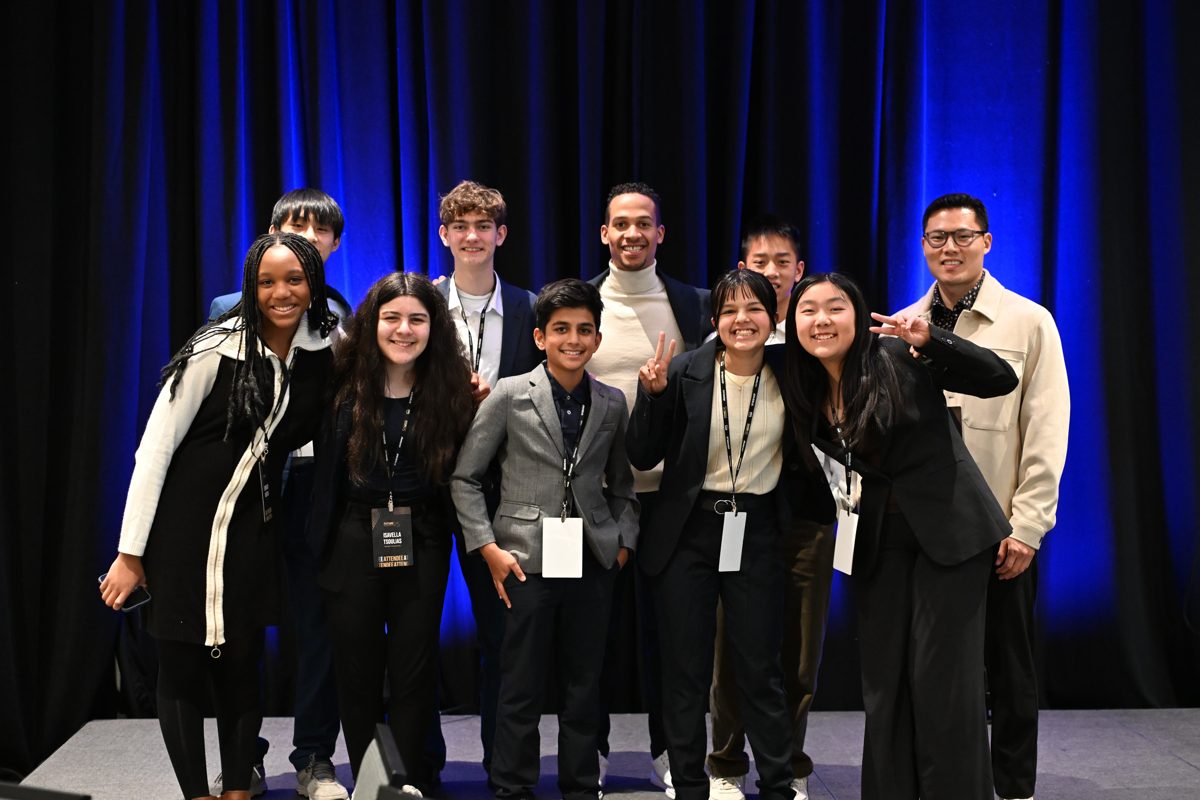
Anywhere in the world with an internet connection, through Global Virtual, live on Zoom.
Every square is one weekend session on the 2026–27 schedule, by date.
36 weekend sessions from September 2026 to June 2027. Each square shows the first day of its weekend; its accessible name includes the complete dates. August orientation is not shown.
Students practice acting on their ideas, with coaching and feedback along the way. Three parts fit together across the 10 months.
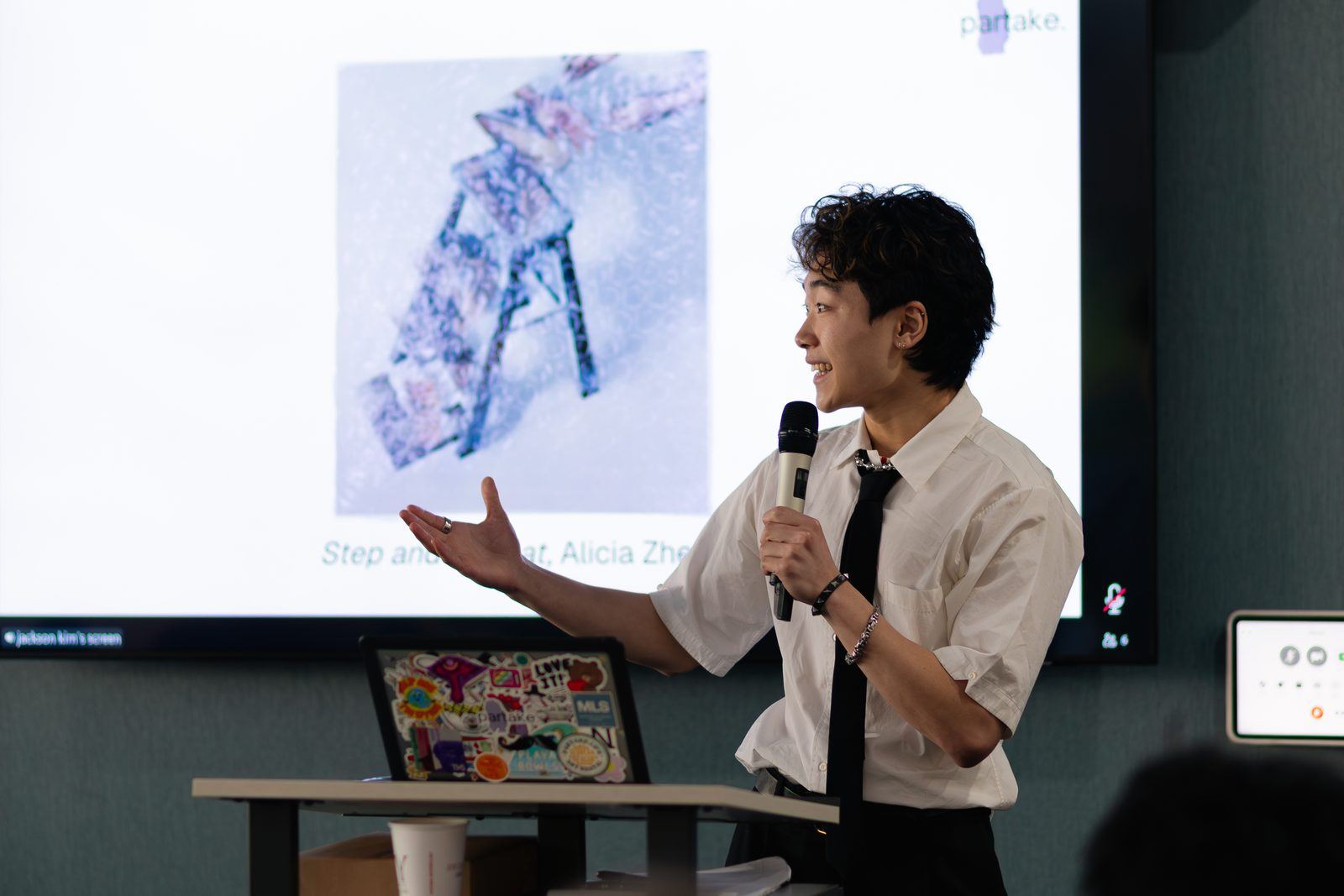
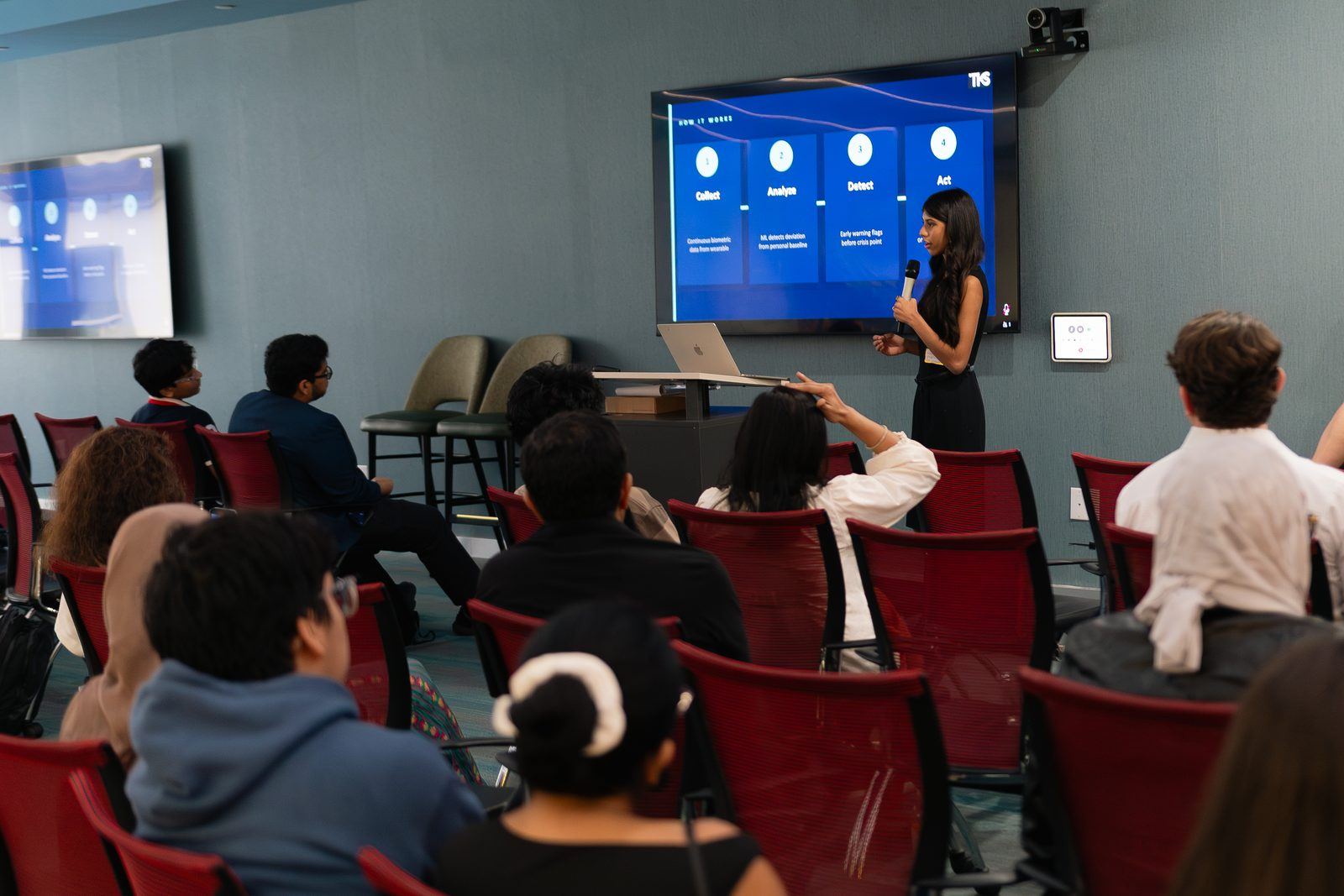
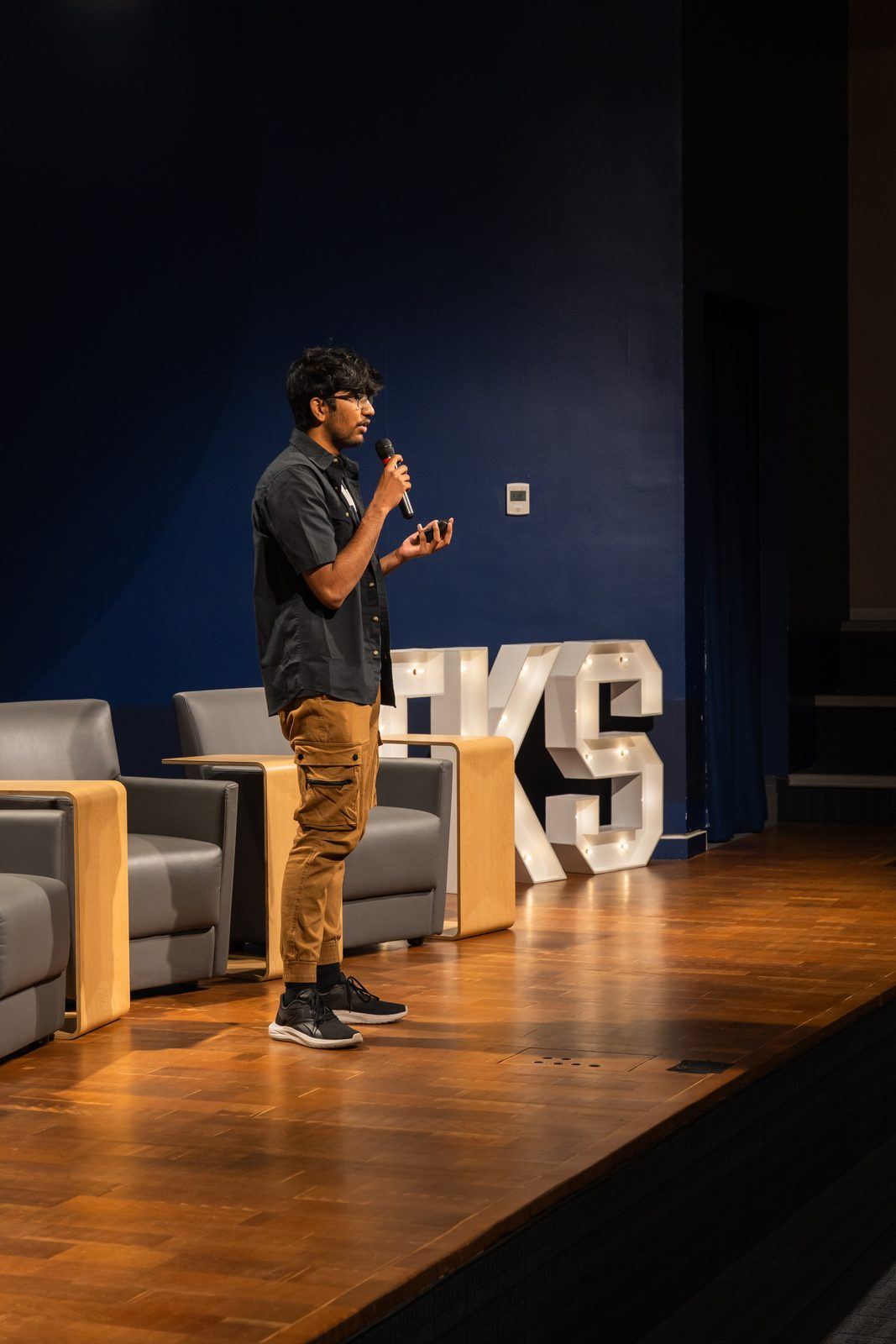
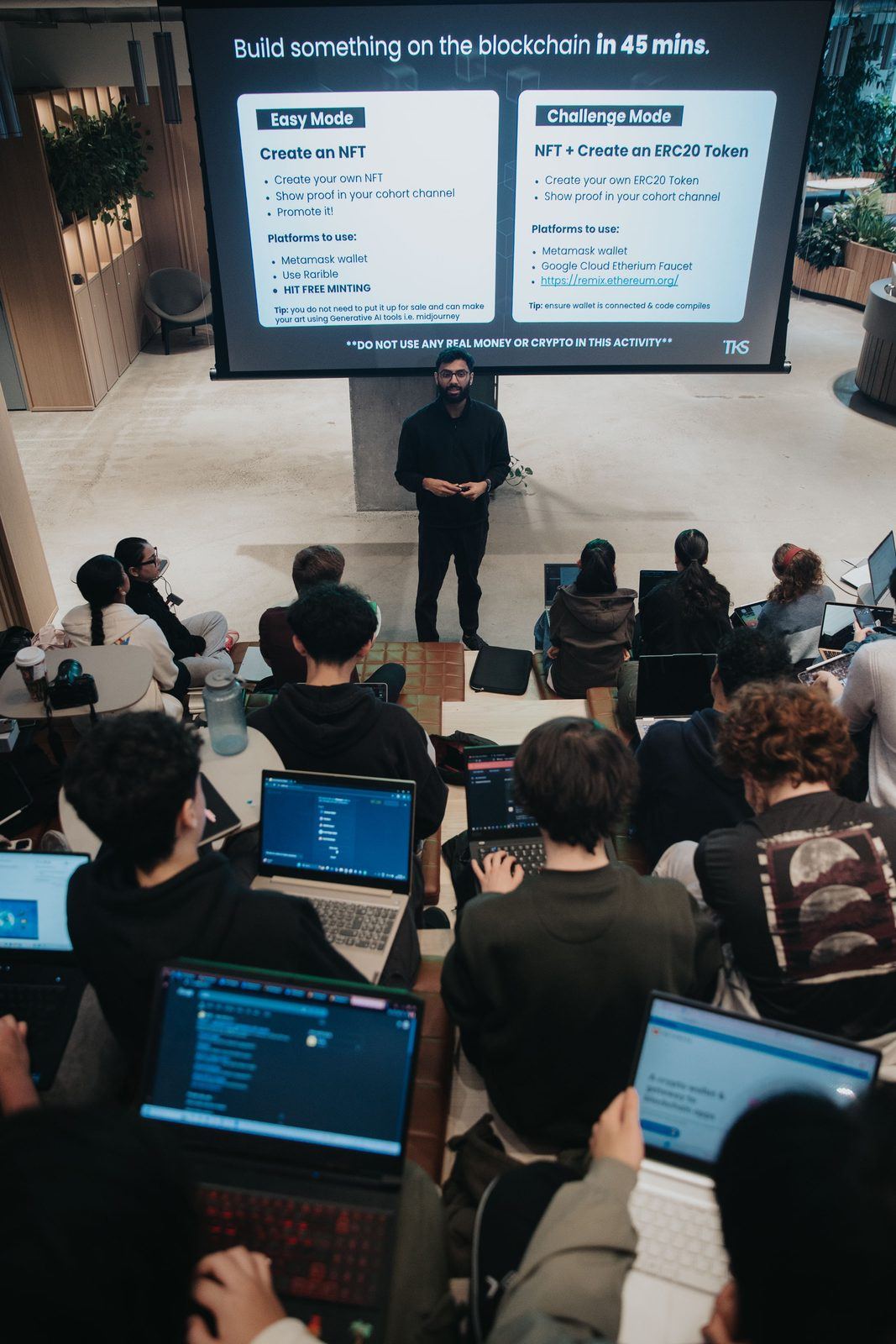
Live, three-hour sessions. Students explore fields like AI and synthetic biology, practice presenting and reaching out to people, and get feedback from the directors who run them.
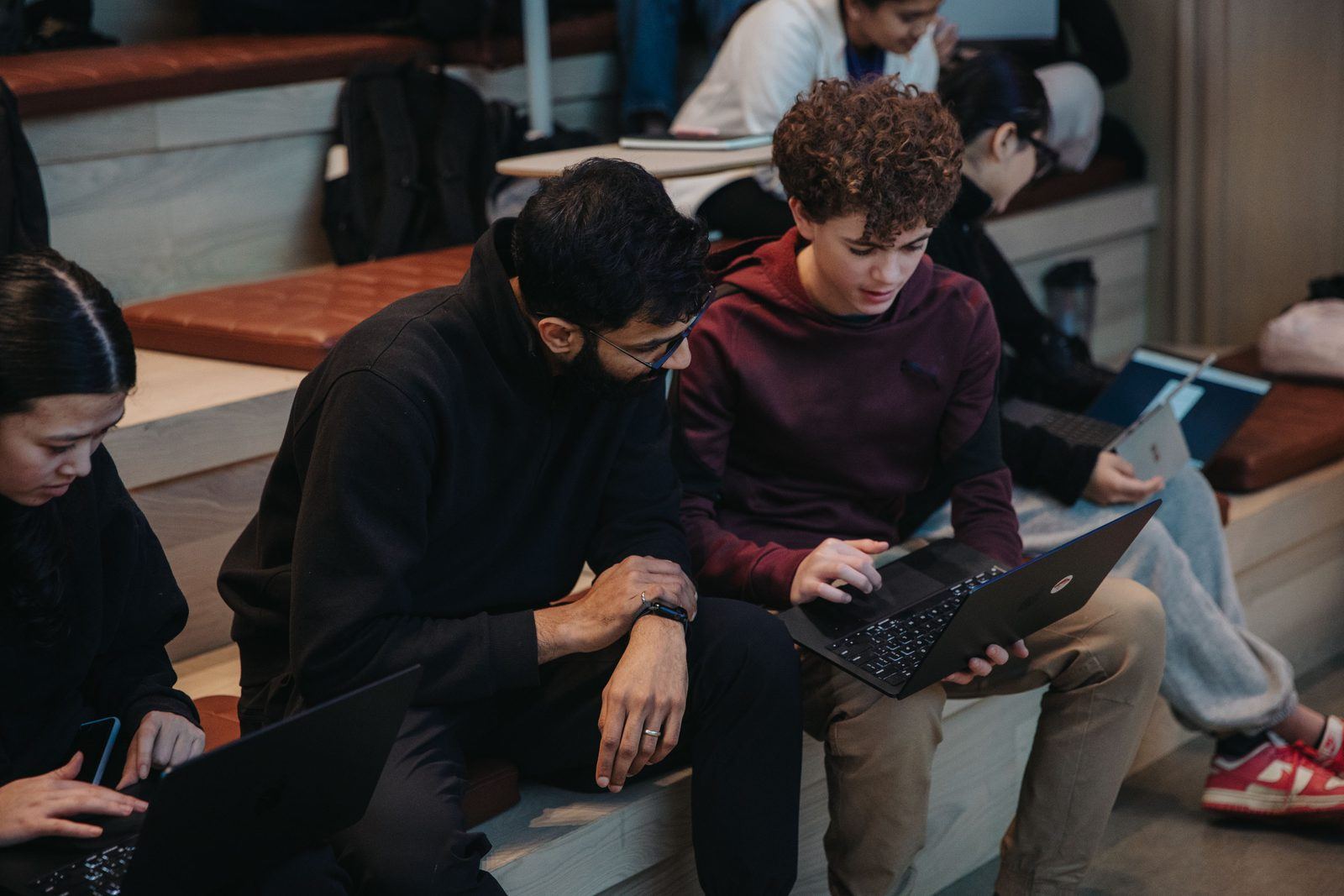
Students try different fields, then choose one to go deep on. They research, build and explain their work in articles and videos, with a coach.
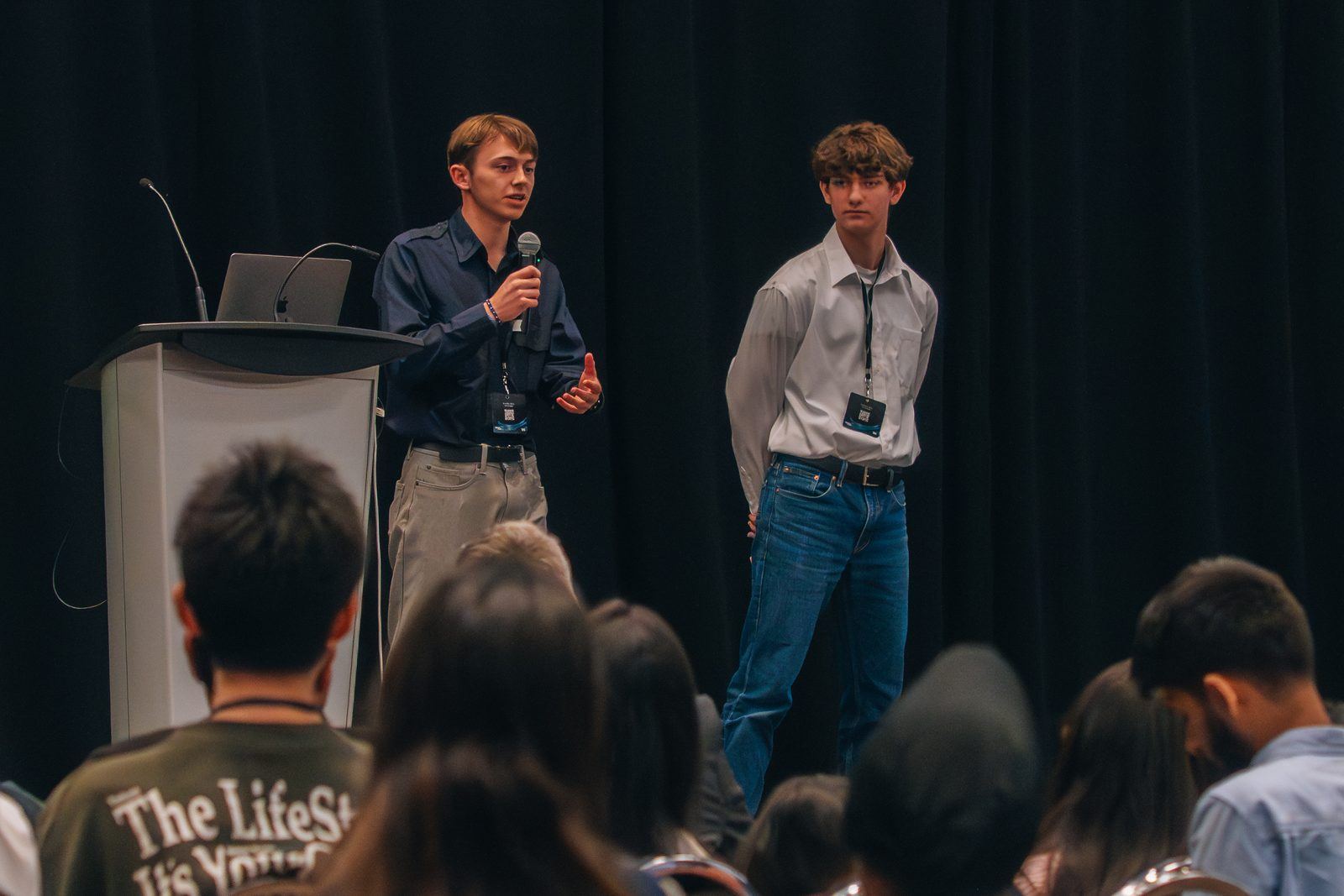
Teams investigate a real problem set by organizations like IKEA, Google and the United Nations. They develop a recommendation, explain their thinking, and answer questions about how it could fail.
Every week, students join a live, three-hour session with a TKS director (coach). Most sessions have three core parts, then close with reflection.
01
Application of technology or science
Learn how a technology or science works, then use it.
02
Mindsets
A mindset of the week, such as Bias Towards Action.
03
Life skills
Practical TKSkills, more than 30 across the year.
04
Reflection and insights
Key takeaways, and how to prepare for next week.
Directors introduce a technology, and then students build with it. For example, in session 2 students built with AI. One team made AdForge in 40 minutes: pick the type of ad, the product and its specs, and it turns a stock photo into a five-second video ad. Another student trained a model to recognize breast cancer in medical scans it hadn’t seen, and said it changed how they think about AI.
Each session has a mindset of the week, such as Seek Understanding or Bias Towards Action. Educators often call these durable skills.
1–4 of 25
Directors also teach practical life skills, which TKS calls TKSkills. Educators often call these employability or workplace-readiness skills. By the end of the program, students have practiced more than 30 of them.
1–4 of 15
Sessions close with key takeaways, so students know what to apply that week and how to prepare for the next session.
Students don’t have to arrive knowing what they want to work on. They explore fields first, then go deep on one, with a coach.
Explore modules introduce one area of technology or science at a time. Schools in the School Partner Program can use them in class.

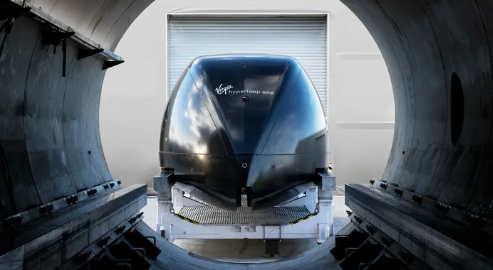
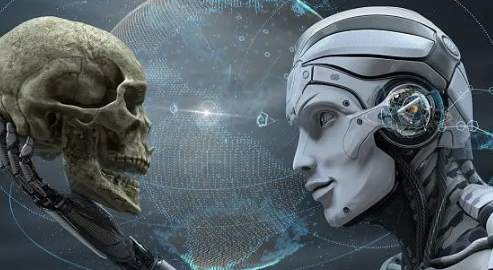
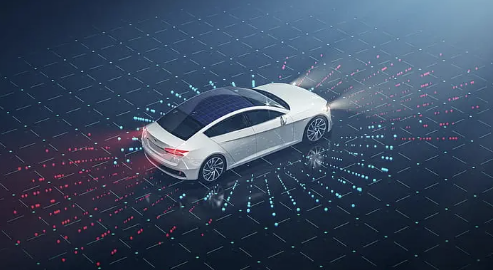


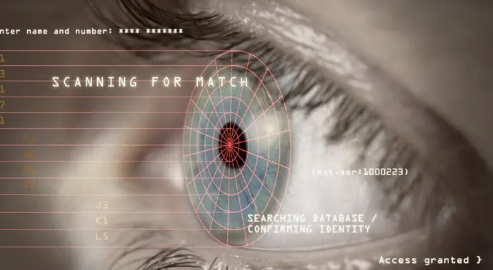




























Students try many areas first. At session 6, Focus Declaration Day, each student commits to one and presents a plan. Then they go deep with a coach through four stages: learn, build, iterate, create.
Each stage ends with an article and a video. The horizontal line visualizes where students develop breadth. The vertical line visualizes where students develop technical depth. These intersections create truly unique outcomes for our students, especially as they replicate this process over time.
Each example lists the fields a student explored first, then the Focus they chose. The four numbered cards are the stages of that Focus: learn, build, iterate and create. Each stage ends with an article and a video.
Explored first Synthetic biology · Robotics and IoT · Brain-computer interfaces · Material science · Quantum computing · Virtual reality
Focus Artificial intelligence

Focus: artificial intelligence
Adam Majmudar
Joined TKS in 2019 with an AI Focus.
Works on AI research at OpenAI.
"I'm working towards using AI to amplify human intelligence and unlock new ways of understanding the world."TKS Alumni Report 2026
Gene editing · Nanotechnology · Clean energy · Biometrics · Blockchain · Space technologies · Semiconductors
Explored first Gene editing · Nanotechnology · Clean energy · Blockchain · Space technologies · Semiconductors
Focus Biometrics

Later work: biometrics
Ben Nashman
Joined TKS in 2016.
Founder and CEO of Synex Medical, building non-invasive biosensors.
"I'm working towards building non-invasive biosensors that measure critical biomarkers in real time, making predictive healthcare a reality."TKS Alumni Report 2026
Genomics · Stem cells · Energy storage · Longevity · Nuclear energy · Advanced transportation · 3D & 4D printing
Explored first Genomics · Stem cells · Energy storage · Nuclear energy · Advanced transportation · 3D & 4D printing
Focus Longevity
Later work: longevity
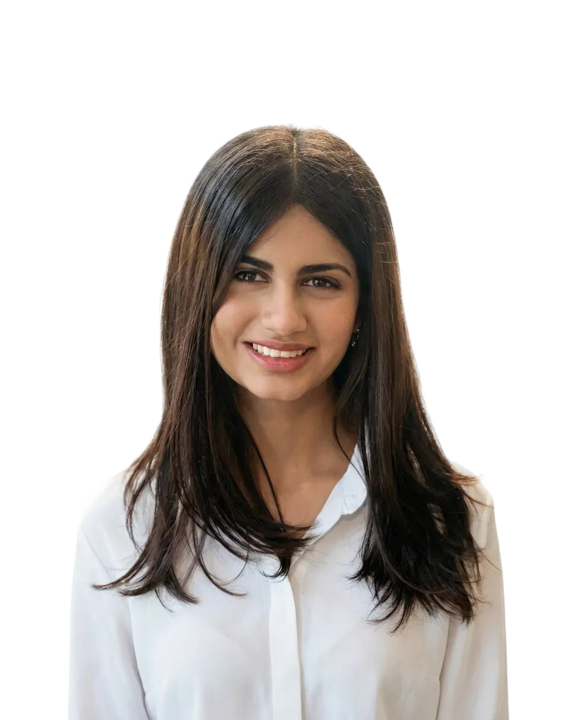
Nina Khera
Joined TKS in 2018.
Leads Biotein, applying machine learning to research age-related diseases.
"I'm working towards extending human healthspan and understanding brain aging through biotech and AI."TKS Alumni Report 2026
Students build a portfolio of projects in emerging technology, and explain each one with an article and a video. Add the mindsets and life skills TKS teaches, like cold outreach and creating your own opportunities, and they start to stand out: a red dot in a field of white ones.
You found the red dot. One way to break out of the stack:You found the red dot.
Play TKStack →Twice a year, students spend several weeks in teams on one real problem. They research before proposing a solution, then explain why it makes sense and answer questions about how it could fail.
01 · April
Teams of three or four choose their own problem. They build a five-minute pitch, a website, a one-pager and a short manifesto video, then pitch to judges from industry.
Actual student work · Synthis, a Moonshot team
Watch the example Moonshot video
02 · February
Organizations set the problem. Each team picks one of two partners, then delivers a recommendation deck of 20 to 30 slides and a three-minute video walkthrough. The top teams present to the partner's leaders.
Actual student work · United Nations Global Challenge, 2026 · Top 3
Choose a partner to see the challenge.










How might Lovable acquire new users without relying on paid acquisition?
What student-focused templates should Lovable build to lower the barrier to entry, help students get started faster, and drive sustained usage on the platform?
Lovable is the fastest growing company in the world, driven by community led growth. The product is designed so that every interaction teaches you something or helps you build something better. That creates a natural loop. People are proud of what they make and want to share it with friends, which has fueled explosive user growth. Now, Lovable is looking for bold, creative ideas that can unlock the next wave of millions of users.
Templates help users start building faster and with more confidence. Students represent a massive opportunity for Lovable and are a key part of its long term growth strategy. The challenge is to think deeply about the templates students actually need, why they would choose to use them, and how they would fit into students' real workflows. Just as important is understanding how students want to interact with Lovable overall, all with the goal of driving sustained usage and accelerating user growth.
When you are thinking of your solutions keep this in mind as Lovable cares about this deeply: "Where does Lovable's current product language feel generic or misaligned with how builders actually think and speak? Using real user research, identify the language users use and recommend changes to product copy, onboarding, navigation, and in-product guidance so the experience feels intuitive and human, not AI-generated."

How might we adapt or extend existing AI-based mapping and predictive modelling frameworks—using open-source satellite imagery and geospatial data—to detect, track, and forecast cattle presence and movement across South Sudan in a way that reflects these realities?
Unpredictable cattle movement in South Sudan contributes to local conflict, resource scarcity, and humanitarian risk, yet there is no reliable, real-time way to understand where cattle are located or how they are likely to move over time.
In South Sudan, cattle culture is immensely important. As climate change has altered seasonal patterns and agricultural productivity, traditional cattle migration routes have been disrupted. Cattle keepers are increasingly forced to move their herds into the same areas in search of grazing land and water, often bringing them into conflict with other communities facing the same pressures. For families and communities across South Sudan, this is not a marginal issue. It is a matter of survival for people whose livelihoods, food security, and social systems depend on cattle.

As AI continues to grow and requires additional data centers and energy usage, how can we sustainably continue the accelerated AI growth while saving our planet and optimizing costs?

How can Google keep its employees informed to use an ever-expanding product portfolio?
Google is experiencing a period of unprecedented challenge from rivals like OpenAI and Microsoft. In response, they are getting tighter than ever on their core products, ensuring that competitive headwinds do not disrupt their history of success. As they begin to commercialize new products like Bard and other AI-based tools, they need to re-learn how to allow their internal teams to maintain an edge by using these products themselves.
What can Meta do to ensure the safety of young people that use its products? What ideas are important to consider to provide a high quality, non-harmful experience for younger platform users?
Meta is currently experiencing significant legal pressure for it's product challenges with younger users. 41 states and the District of Columbia sued Meta, alleging that the company hurts children by violating their privacy and misleading them about the potential harms they may experience from using its products.
How can IKEA engage with GenZ consumers in the metaverse in the future?

How can Kidogo support Mamapreneurs to increase their income while maintaining or improving the quality of their centers?
How can Kidogo expand to new regions/cities to reach more Children & Mamapreneurs?
Our mission is to help Kidogo improve access to quality, affordable Early Childhood Care & Education in East Africa's low-income communities.
Today, Kidogo improves the quality of a center through training, mentorship and quality assurance. However, Mamapreneurs (caregivers) can only breakeven and earn a salary for themselves if they have 12-15 kids for every caregiver. Best practice globally would be closer to 8 children per caregiver. How can we lower the number of kids (and thereby improve quality of care for each child) without compromising a Mamapreneurs livelihood. (This could be in the line of incentives or subsidies, synergetic income generating activities, or other more imaginative ideas!). Ultimately, we want to provide a high quality experience that is economically feasible.
How do we expand into new regions/countries outside of Nairobi while maintaining our level of service/quality standards? Is there a way to package our services or a tangible product that perhaps could be adapted in similar settings across the world? How can we increase our value proposition to drive demand for quality childcare, and/or for Mamapreneurs to want to join the Kidogo network?
How can Walmart improve the customer experience by developing simple & scalable in-store digital touchpoints or experiences that further connect customers into our digital journey?
Omni-channel retail has been a buzzword in retail for over two decades. However, outside of 'Buy Online, Pick-up In-Store' programs, there are limited solutions that have actually made an impact at scale. In today's retail store, it's often difficult to find touchpoints or experiences that connect customers in a physical store back into a digital environment. What simple and scalable solutions could Walmart develop that can solve real customer problems when they shop in a physical store?

How can Shell leverage Web3 technologies to integrate economic incentives into Nature Based Solutions projects, facilitating the measurement and verification of positive impacts across the six key areas outlined by the Ecological Benefits Framework: 1. Air: Implementing incentives for industries to adopt cleaner technologies, improving air quality. 2. Water: Rewarding efficient water usage and quality maintenance through conservation and management systems. 3. Soil: Providing financial benefits for adopting regenerative agricultural practices to enhance soil health. 4. Biodiversity: Offering economic benefits to communities for sustainable practices that contribute to biodiversity conservation. 5. Equity: Ensuring fair distribution and sustainable utilization of resources through projects that promote equitable access, with incentivized participation. 6. Carbon: Implementing economic incentives for carbon capture, offset solutions, and reductions in carbon emissions.
Framing the problem before solving it
Talking to people, asking good questions and making sense of data
Finding the root cause with the 5 Whys
Breaking a problem down to first principles
Validating the problem and the solution with real-world stakeholders
Testing whether an idea is ten times better, not ten percent better
Building a recommendation deck and pitching it
Working as a team when the stakes are high
Giving and receiving feedback that isn’t sugar-coated
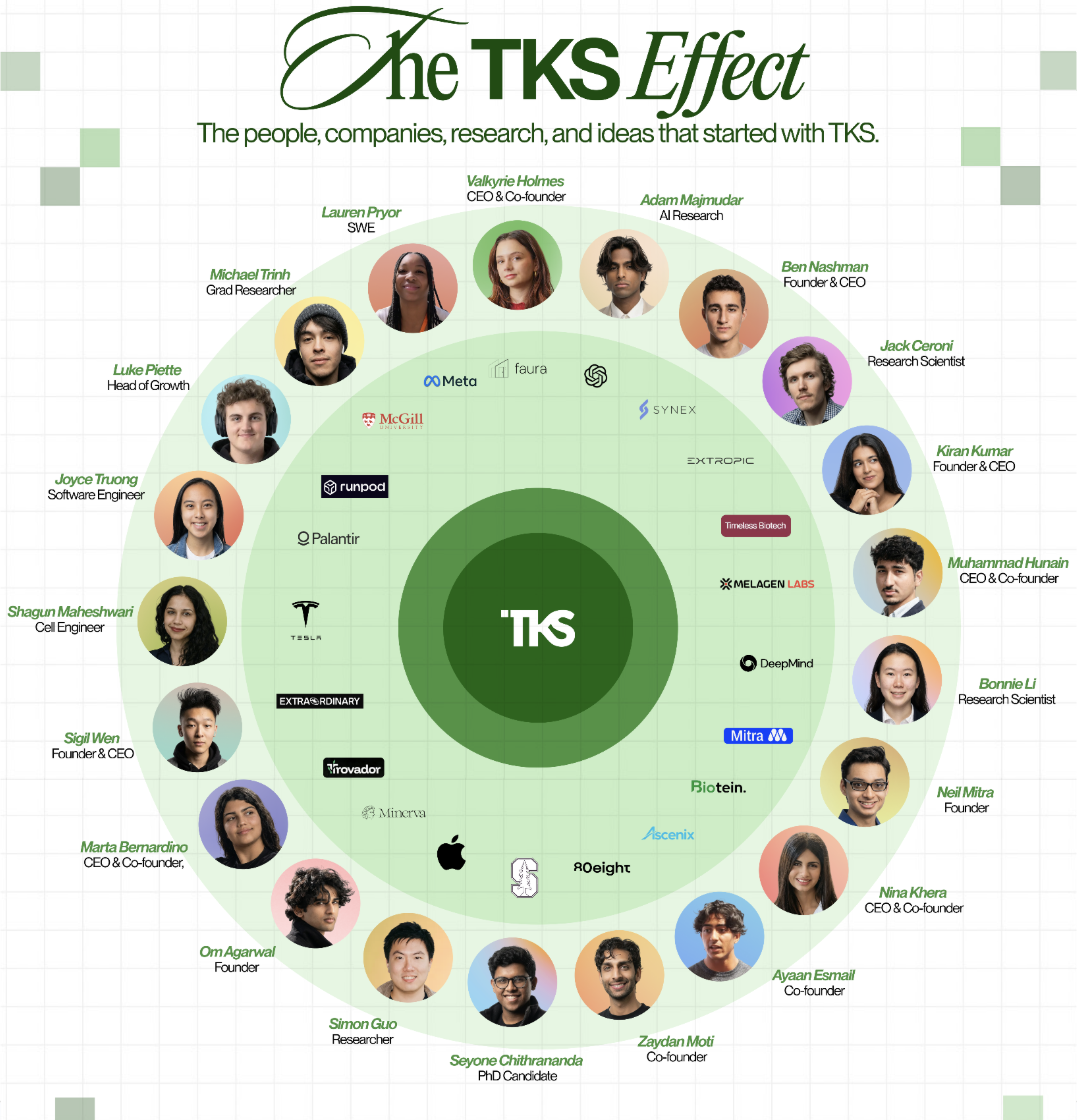
TKS has run for 10 years. Its alumni now work, study and build at places like these.





Hear from TKS alumni
Pick the route that fits your school this year.
Embed the program in your timetable, with teacher support.
Shoulder tap the students you know would thrive in an environment like this. Every class has a Johnny or Sally who is hungry for more.
Bring parts of TKS into the teaching you already do.
Through the School Partner Program, you and your students can benefit from TKS resources without your students having to be enrolled in the full extracurricular program.
See full details Explore the School Partner ProgramBring parts of TKS into the teaching you already do.
Every lesson is free for any teacher, open now. A partnership adds live support for every teacher at your school.
From $5,000 a year in your local currency. 100% goes to a scholarship pool for your students.
01
During the school day
02
An extracurricular program
03
Start free, or partner with us
Plain answers on how schools work with TKS.
No. Free classroom lessons and the School Partner Program are built for classes you already run, with no student application needed. Students who want to join the 10-month extracurricular program apply through a separate admissions process.
Every teacher has free access to all 24 Mindset and Life skills classroom lessons today. Curiosity opens with no sign-up, and a quick email code opens the rest of the library. Short clips and session recaps from real TKS sessions are open to watch too.
Yes. Start by trying one lesson in class. When your school is ready for a TKS-led live workshop, community experiences, a custom CTE bundle, and preferred pricing for your students, you can join the School Partner Program, or talk with our team about embedding TKS in your timetable.
TKS is built for 13–17 year olds. The Mindset and Life skills lessons fit inside classes you already teach and support durable skills, employability skills, and Portrait of a Graduate goals. Each 30–35 minute lesson includes a director video, classroom screens, and a teacher guide. Explore Modules for CTE and design-thinking challenges for project-based learning are coming soon.
The classroom lesson library and session clips are free for every educator. The School Partner Program starts from $5,000 a year in your local currency, and 100% of that contribution goes into a scholarship pool for students from your school. Districts get one quote for all their schools. Running the full program inside your school day is scoped with our team.
Start with a resource sample. If you have a goal in mind for your school, we’d love to hear it.